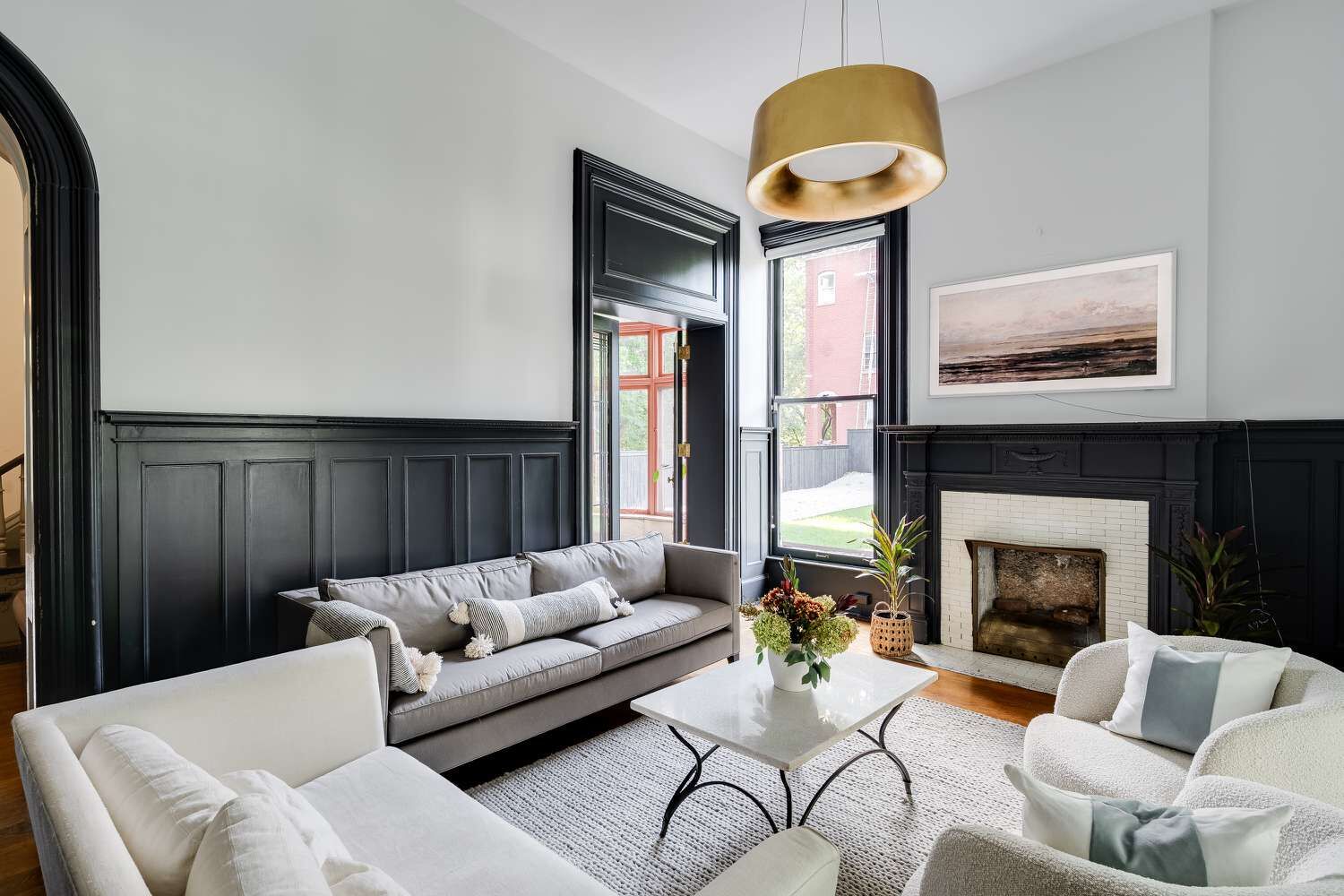
Wainscotting is a form of wall panelling traditionally used across the lower portion of a wall. In contemporary Australian interiors, it is being used with cleaner lines and quieter finishes to bring depth without visual noise.
It suits more than heritage homes. The right profile can give an entry, bedroom, dining room or bathroom a stronger sense of proportion while protecting the wall in busy areas.
What is wainscotting?
Wainscotting is a type of wall panelling that usually covers the lower part of a wall. It can be made from timber, MDF or other materials, and it comes in different styles such as shaker, beadboard or raised panels.
It was originally used to protect walls from damage and to help with insulation. These days, it is more about style and adding a sense of depth to a room.
Why it still works
Designers and homeowners are turning to wainscotting because it works in so many settings. It can make a plain wall more interesting without overpowering the space. It also blends well with other design elements, from modern furniture to vintage pieces.
Its renewed appeal is less about a trend than about proportion and texture. A well-resolved profile can give a room depth while allowing the architecture and furnishings to remain calm.
Where it can work
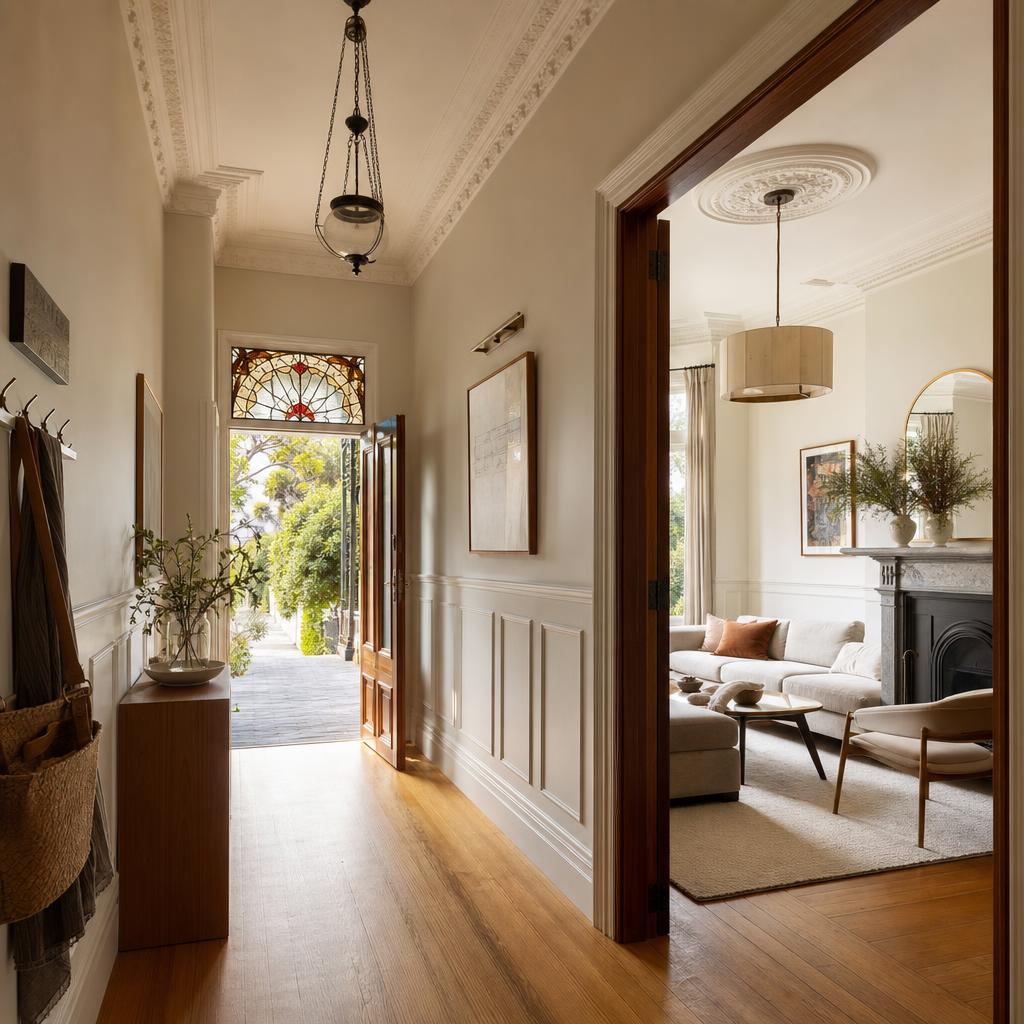
- In the Entryway: It can make a strong first impression and protect walls from scuffs and marks.
- In the Dining Room: Adds a touch of formality and frames the space beautifully.
- In Bedrooms: Painted in soft colours, it can create a calm and cosy feel.
- In Bathrooms: Works well with tiles and can bring warmth to a space that often feels cold.
Choosing the right style
The style you choose will depend on your home and taste.
- Shaker panels are clean and simple, perfect for modern spaces.
- Beadboard has a more casual, cottage feel.
- Raised panels are more traditional and suit heritage homes.
You can paint wainscotting in a contrasting colour to make it stand out, or keep it the same colour as the wall for a subtle effect.
Keeping the finish contemporary
If you want wainscotting to feel fresh rather than old-fashioned, keep the lines clean and avoid overly ornate trims. Pair it with modern lighting, simple furniture and a neutral palette.
You can also experiment with height. While traditional wainscotting sits about one-third up the wall, modern designs sometimes go higher for a bolder look.
A detail worth resolving carefully
Wainscotting works best when its height, panel rhythm and finish respond to the room around it. Done well, it feels less like an added feature and more like part of the architecture.