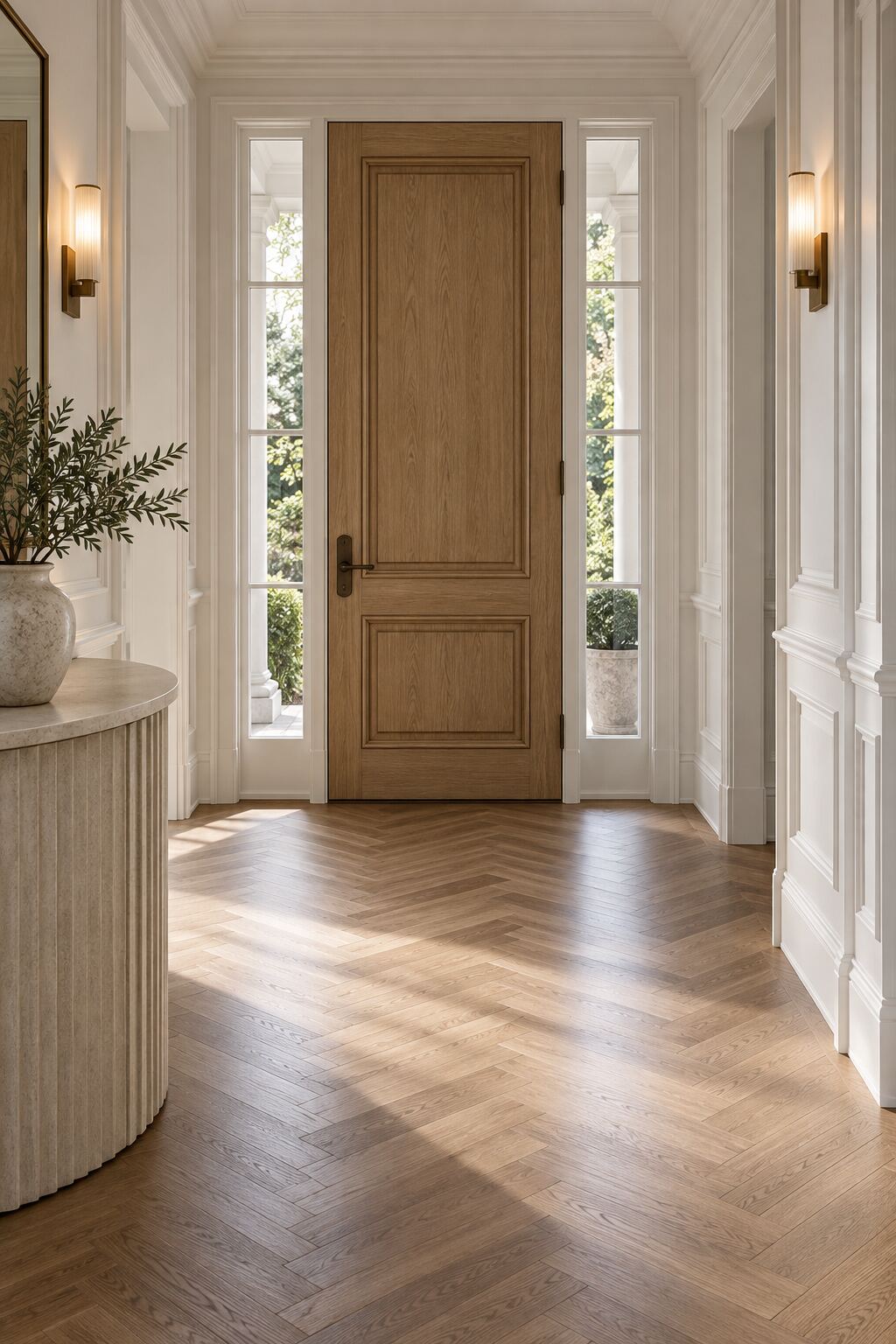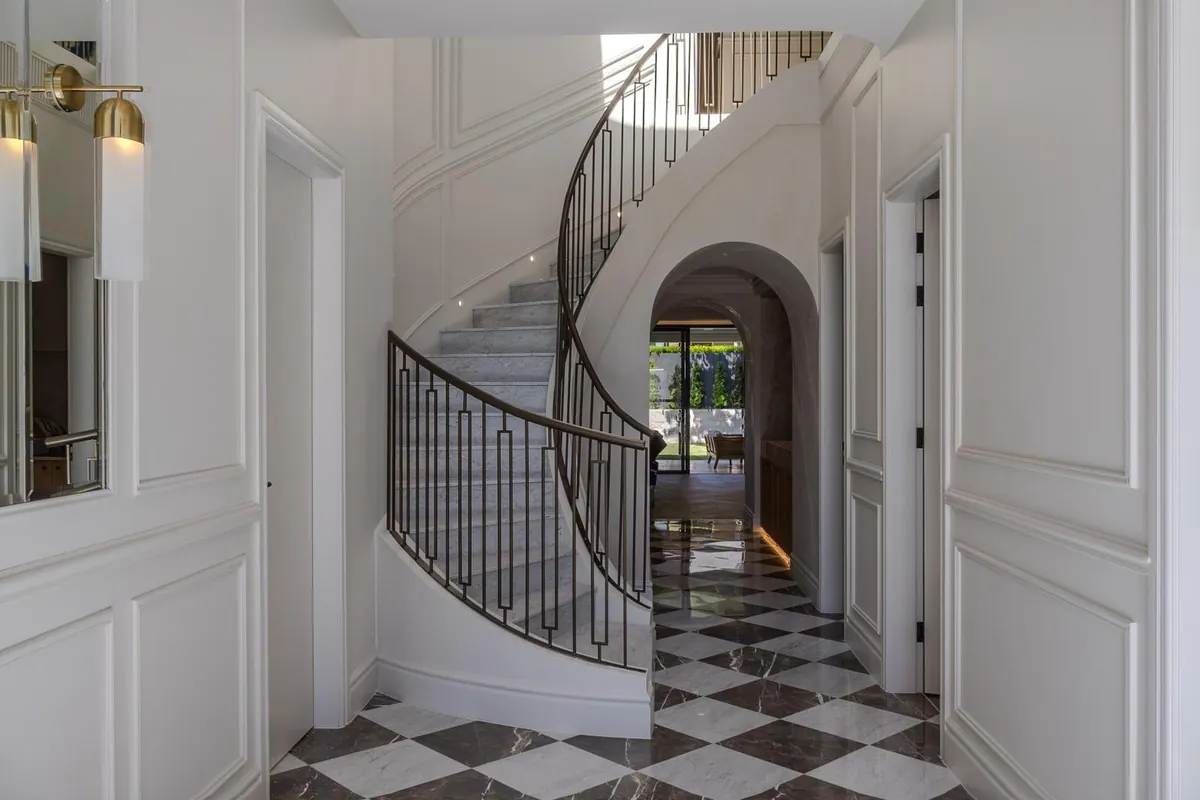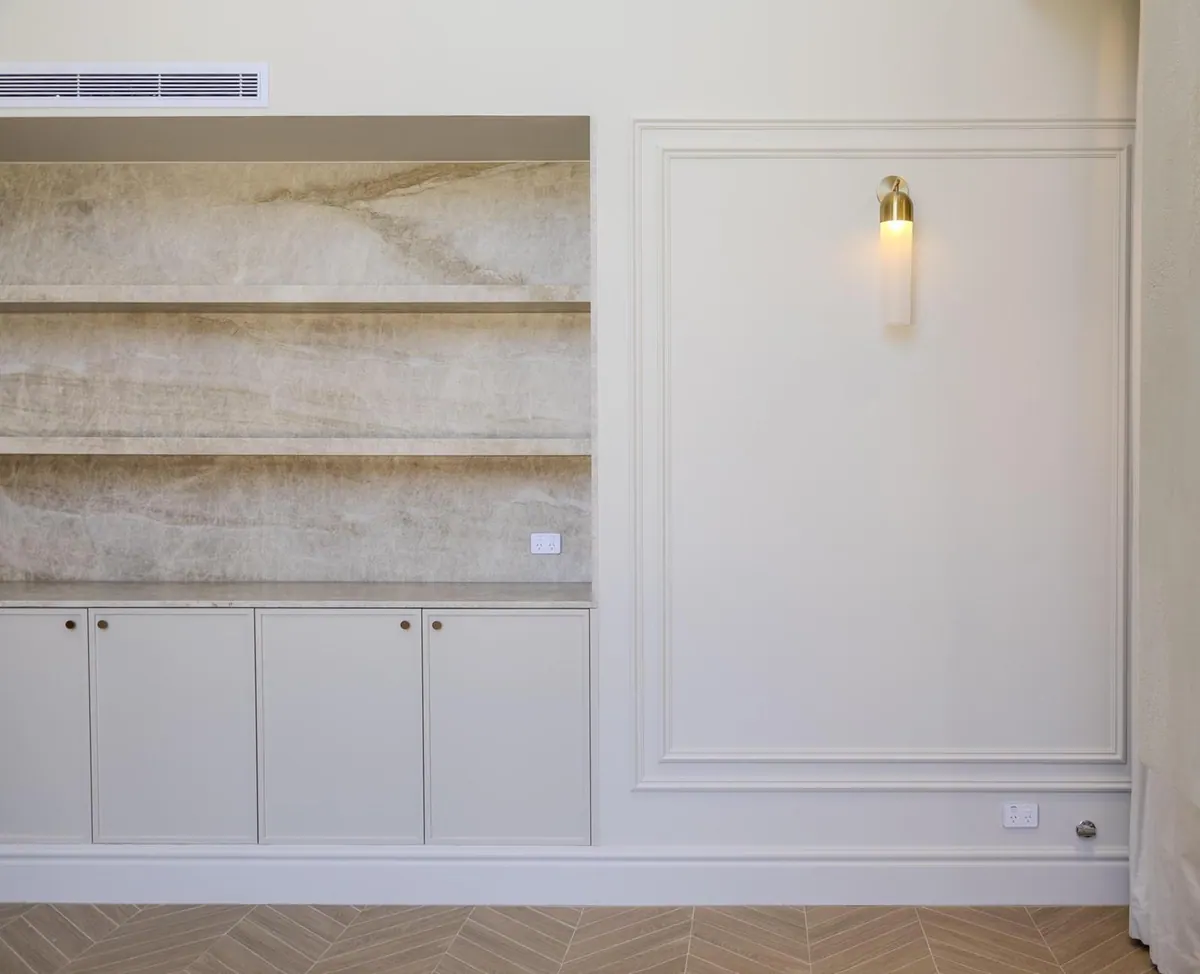
A customer searching for custom joinery is not asking exactly the same question as someone searching for flooring or wall panelling. Separate service pages allow the business to explain the details that matter to each decision and make the local scope clearer.
Distinct does not mean disconnected
The pages can share a visual system and a contact route, but their content should not be a paragraph swap. A flooring page can discuss subfloor preparation and transitions; a doors page can discuss hardware, alignment and the relationship to architraves and skirtings.
When to create a page
- The service is a real part of the offer.
- Customers have distinct questions about its scope or process.
- There is enough useful information to make the page stand alone.
- The page can lead to a relevant enquiry or related service.
Focused pages build a clearer service architecture than one overloaded landing page or a collection of near-duplicates.
A simple way to apply it.
- 01Separate genuine services
Give each established service a page when customers ask different questions or need different evidence.
- 02Write the scope from scratch
Explain the materials, preparation, details and related work that are specific to that service.
- 03Connect the pages deliberately
Link related services where they are commonly coordinated, while keeping each page’s primary purpose clear.