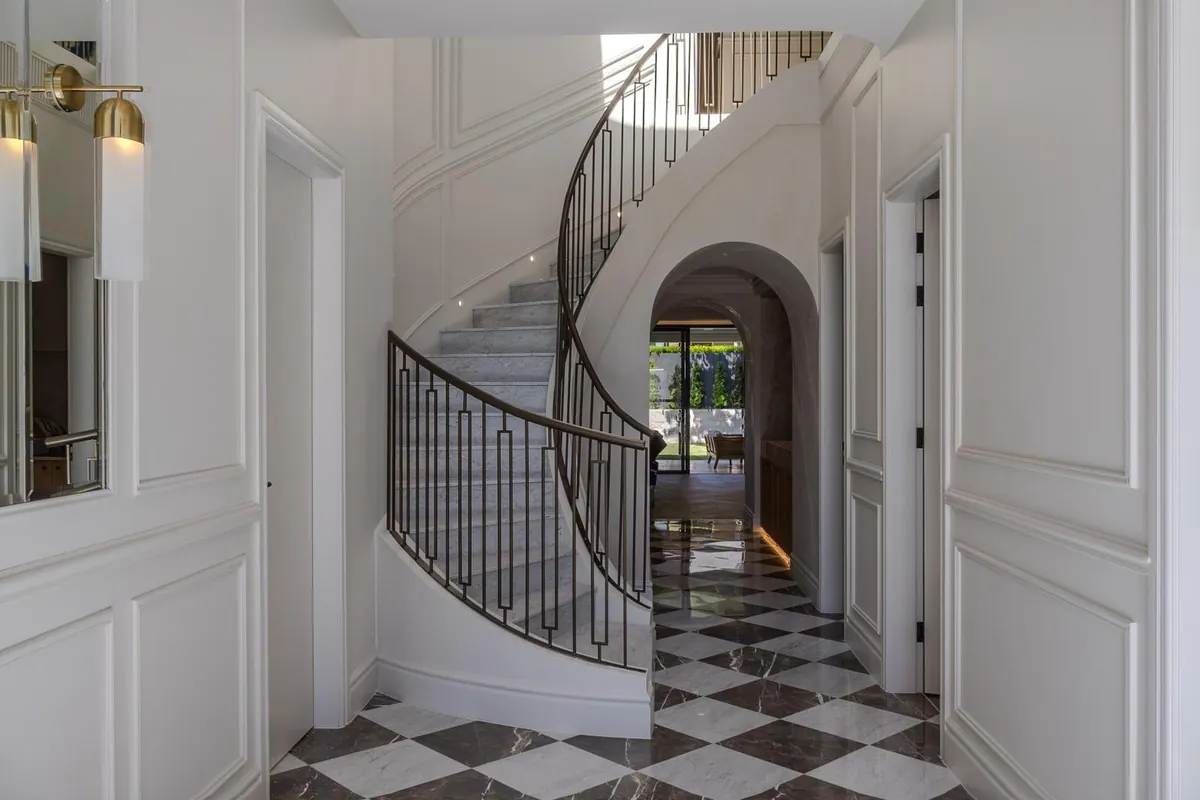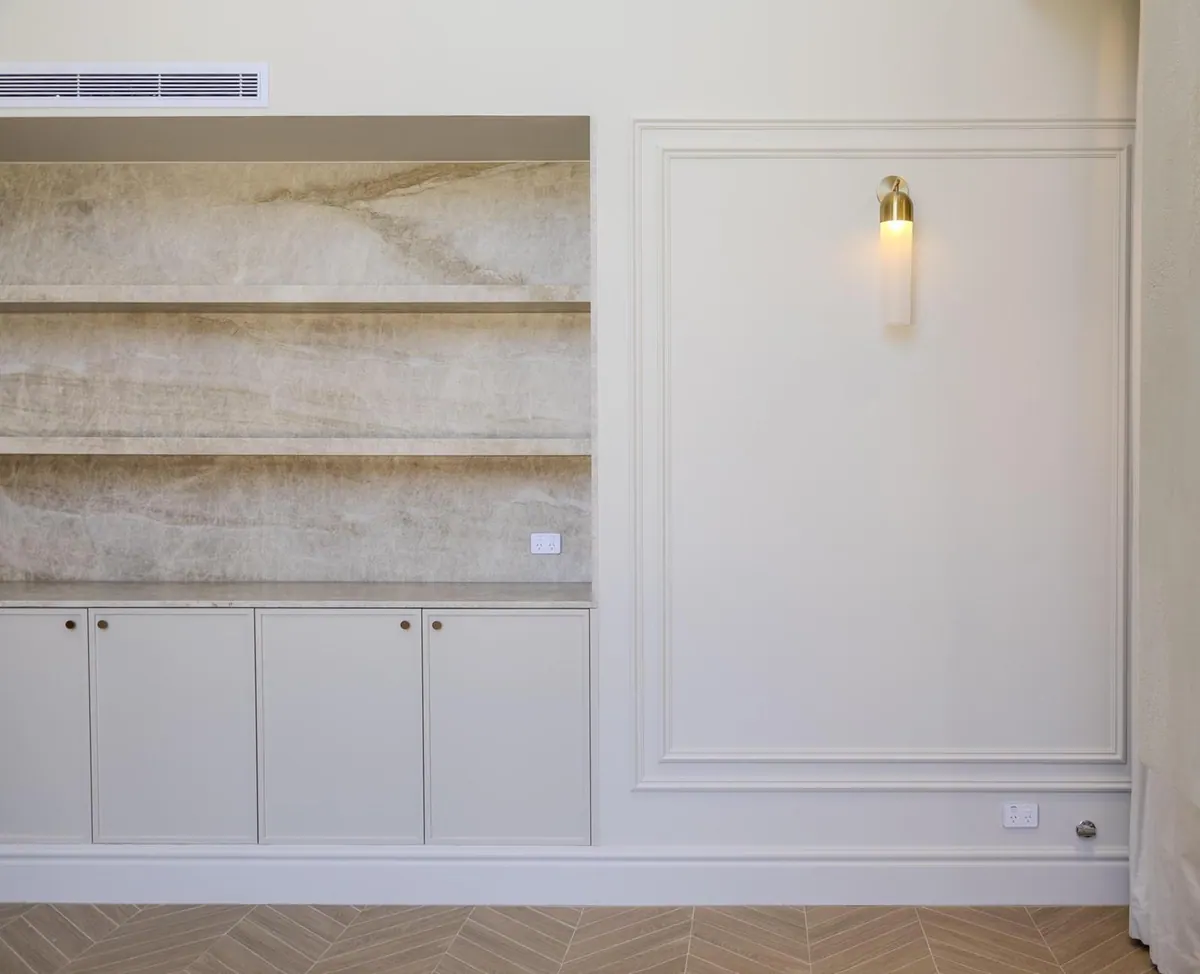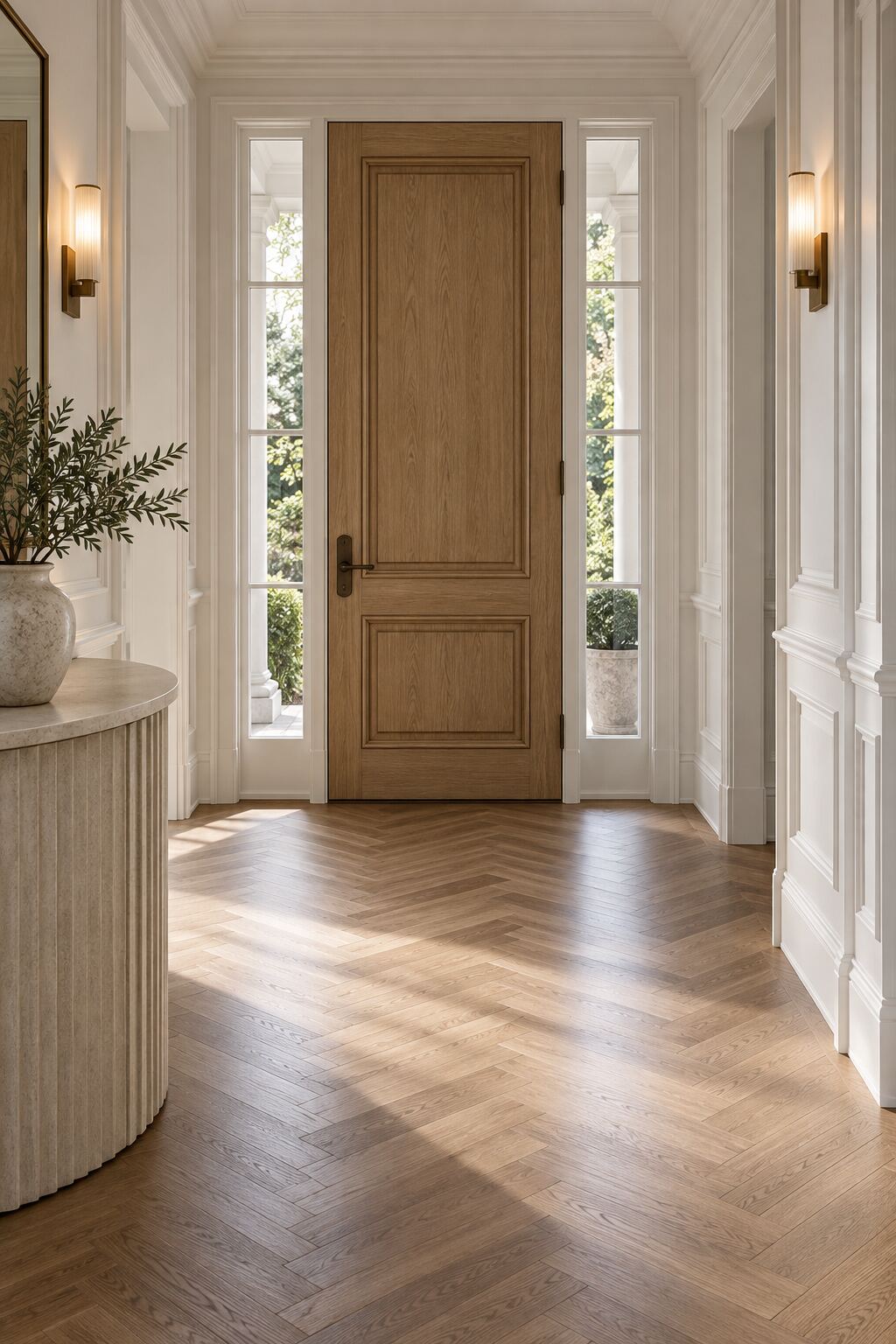
A service page should do more than repeat a trade name. It should help someone decide whether the business understands their project and whether it is worth making contact. For residential fitouts, that means explaining the detail behind the finish: preparation, measurement, installation, edges, junctions and coordination with adjacent work.
Answer the questions before the form
Describe what the service covers, what can vary and how it connects to other work. A joinery page can explain built-in storage and fitted units; a flooring page can explain subfloor preparation and transitions. This is more persuasive than generic claims about quality.
Keep the local angle useful
- Name Sydney as the service area where it sets expectations.
- Use suburb examples sparingly and accurately.
- Link to related services when the work is commonly coordinated.
- Make the contact step clear without promising a price or timeframe you have not confirmed.
A clear service page earns more useful enquiries because it helps a customer understand the fit before they submit a form.
A simple way to apply it.
- 01Lead with the customer’s problem
Explain the type of work and the outcome the service is intended to provide.
- 02Show what the service includes
Use a practical scope list covering preparation, installation, details and related finishes.
- 03Set up the enquiry
Say what plans, photos, measurements or project context will help the first conversation.