Local customers want to see whether a business understands the type of work they are planning. A project page can answer that more convincingly than a list of service names, provided it describes real work and avoids invented budgets, outcomes or customer quotes.
Show the thinking behind the finish
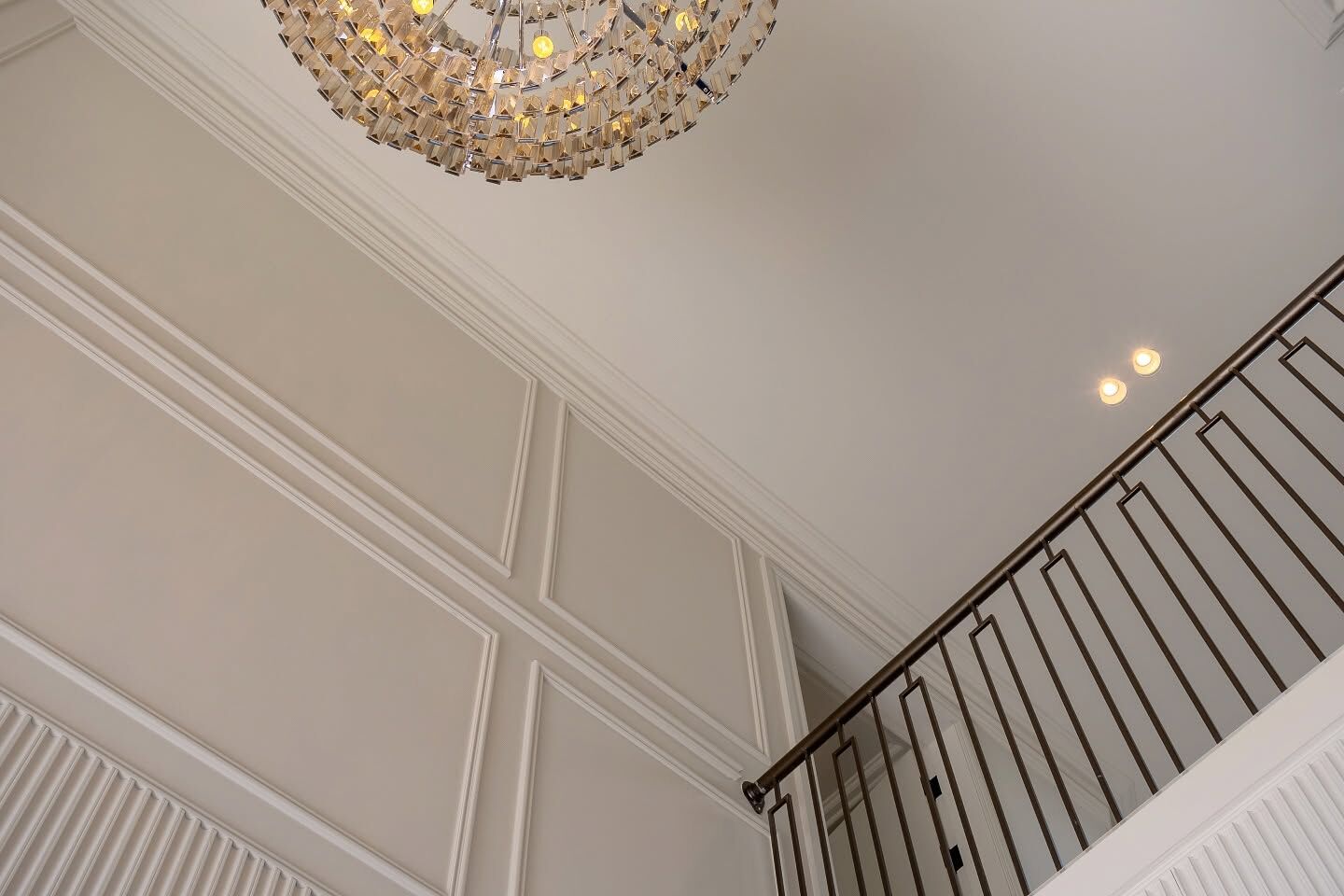
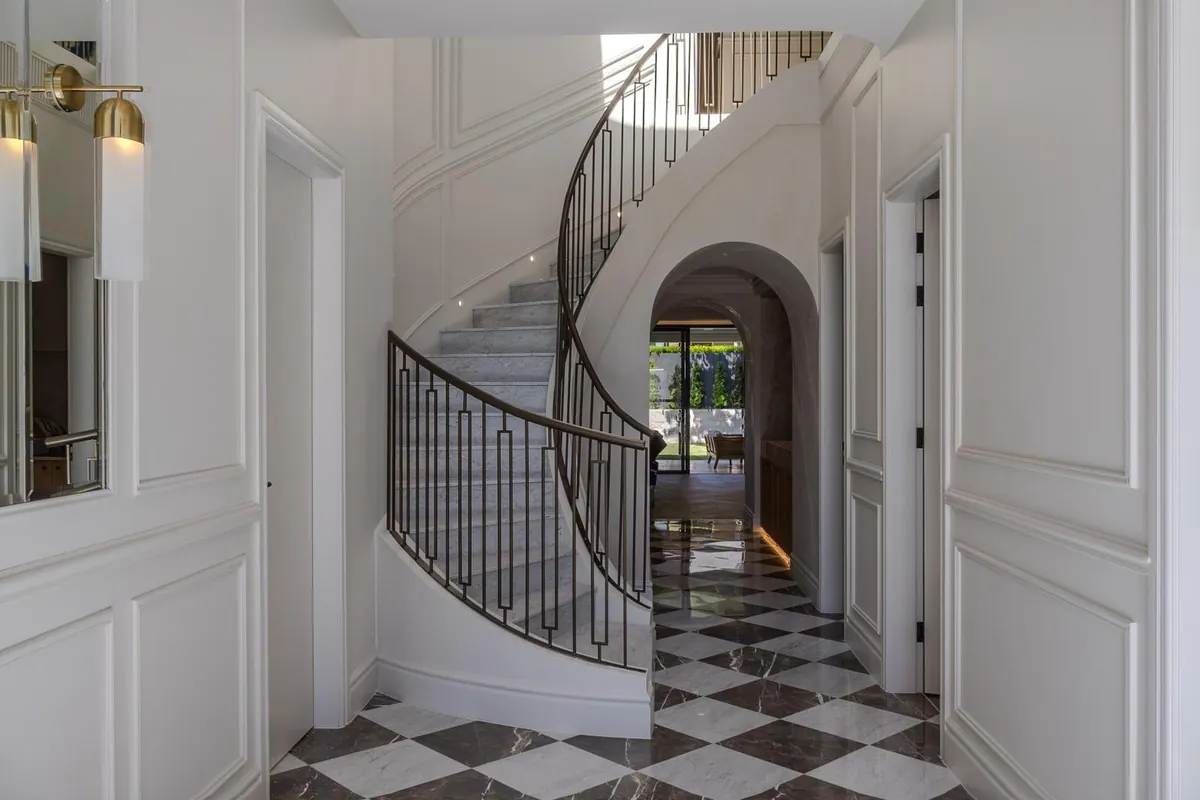
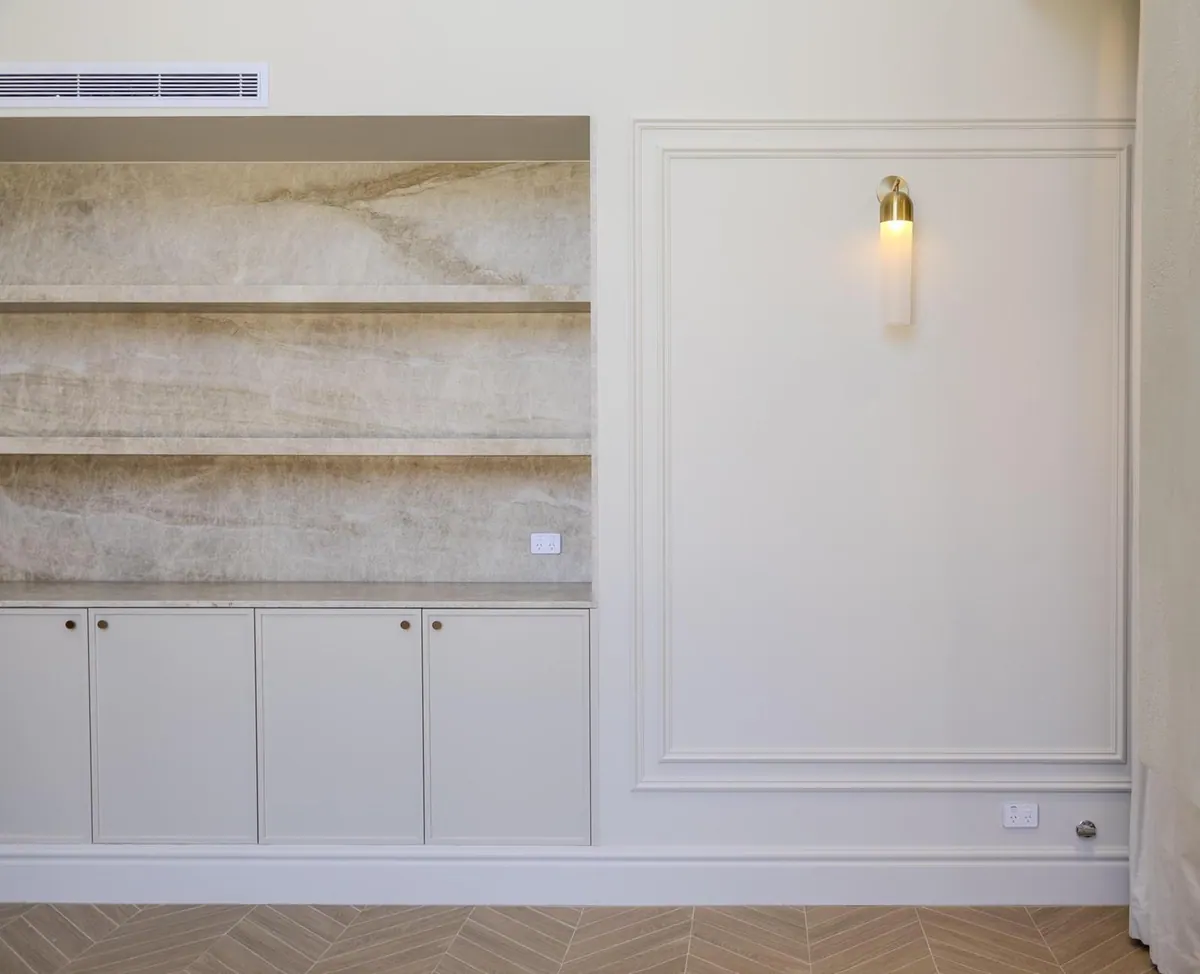
Explain the brief, the constraints and the details that mattered. For example, a joinery page can describe how storage was fitted to the actual walls and how it was coordinated with surrounding doors, skirtings or panelling. That gives a future customer a useful way to judge the service.
Keep the local signal honest
- Name the suburb only when the project can be publicly identified and the business is comfortable sharing it.
- Use accurate photographs with descriptive captions.
- Separate what was requested from what was completed.
- Link to the relevant service instead of turning the page into a keyword list.
A well-made project page supports trust, internal linking and local relevance at the same time.
A simple way to apply it.
- 01Describe the brief
Explain the room, the requested work and the design problem without revealing private details.
- 02Show the decisions
Connect materials, detailing, layout and finish to the practical need they solved.
- 03Link to the next service
Give the reader a relevant service page and a clear way to discuss a similar project.